Over the past four decades, an alarming opportunity gap has widened among our nation’s children. If present trends continue, according to Harvard Professor of Public Policy, Dr. Robert Putnam and author of the best-selling books Bowling Alone and Our Kids, we will be a country tilting towards a two-tier caste system. The Media Project tells compelling stories about diverse families caught in the widening opportunity gap between “haves” and “have nots”, and the strategies and solutions that communities and leaders are developing by working together.
The traditional American ideal that individuals can move up the socio-economic ladder regardless of where they started out in life is at risk. The impact will be profound not just on our children but on our economy and even the strength of our democracy.
Our Kids: Narrowing the Opportunity Gap is the 4-part broadcast hosted by Dr. Robert Putnam to be distributed by public television. The series profiles younger generations, their families and their communities examining inter-twining circles of influence: families, parenting, schools, socio/economic status, legal justice and communities that impact today’s youth. Each one-hour episode of Our Kids: Narrowing the Opportunity Gap explores one of these circles of influence from multiple perspectives including from the kids themselves. Dr. Putnam and others provide important context and analysis. Viewers will get insight into the lives of those living in the opportunity gap by hearing their very personal and emotional stories.
Our Kids travels to nine communities across the country uncovering the issues, talking to kids, parents, educators, community leaders, non-profits, and those spearheading grassroots efforts to halt this dangerous and ever-growing decline, and to restore a greater chance for upward mobility for all of our children. Many of these grassroots programs can be adapted and adopted by communities across the country with the necessary local support. These programs can ignite and invigorate struggling communities that are looking for answers to this growing problem. The nine communities include: Springfield, MO; Seattle; Duluth; Columbus, OH; Nashville; Detroit; Manchester, NH; Riverside, CA and Boston.
Change can’t happen overnight. While some of the programs profiled in the series have more immediate outcomes, they are all long-term strategies that we must begin now. The future depends on it. We must create a more equitable society where every child has hope and is not destined to fail or succeed based on the success or failure of his or her parents or on their zip code.
Each of the four hours of Our Kids features communities examining the issues they face in identifying and addressing the opportunity gap. In nine unique eight locations, we profile programs designed to narrow the gap: examples of efforts being made to inspire viewers and professionals alike; examples that can be replicated elsewhere with the necessary local support.
These are just a few of the innovative programs and people featured in Our Kids :
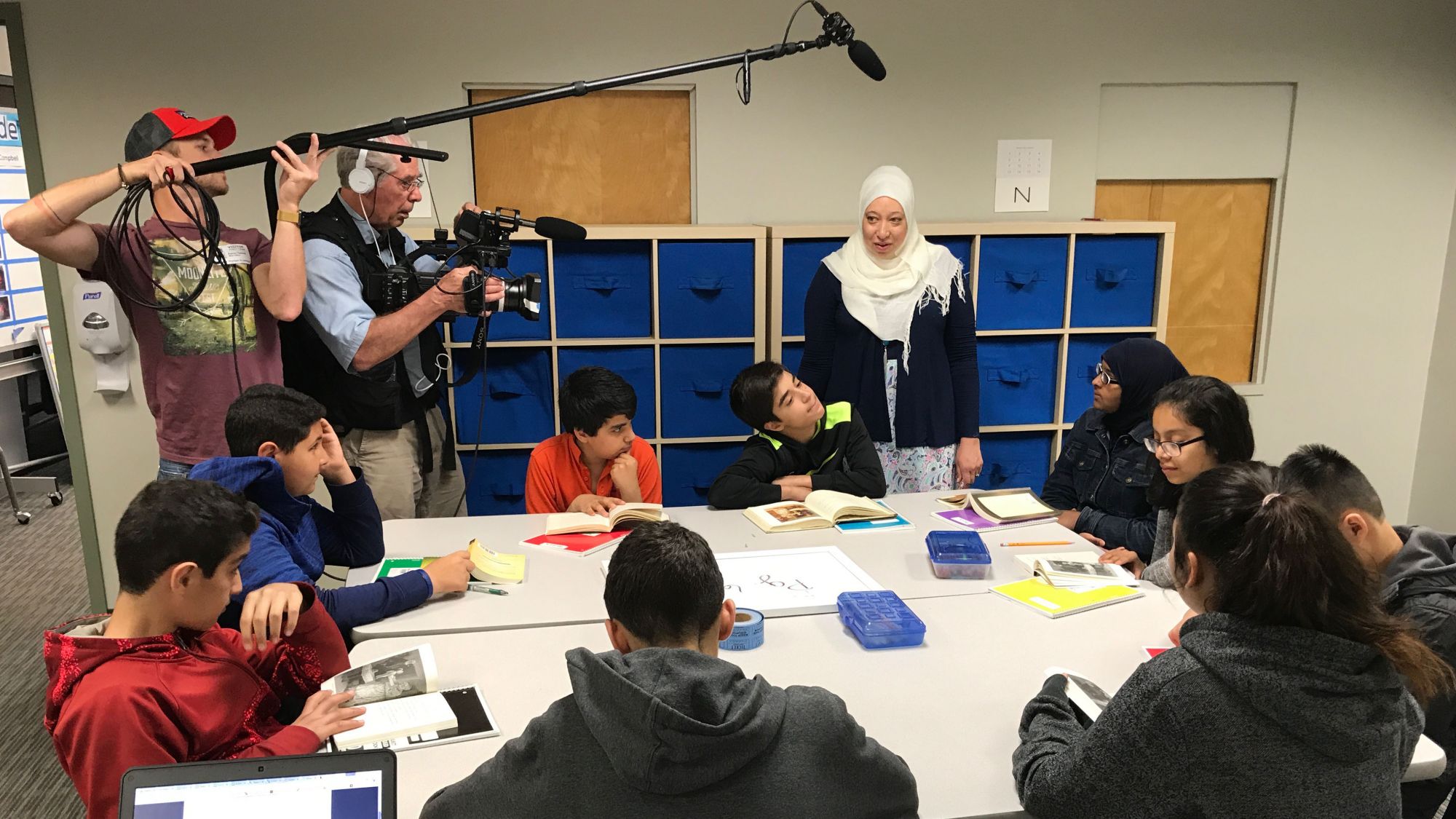

NASHVILLE, TN:
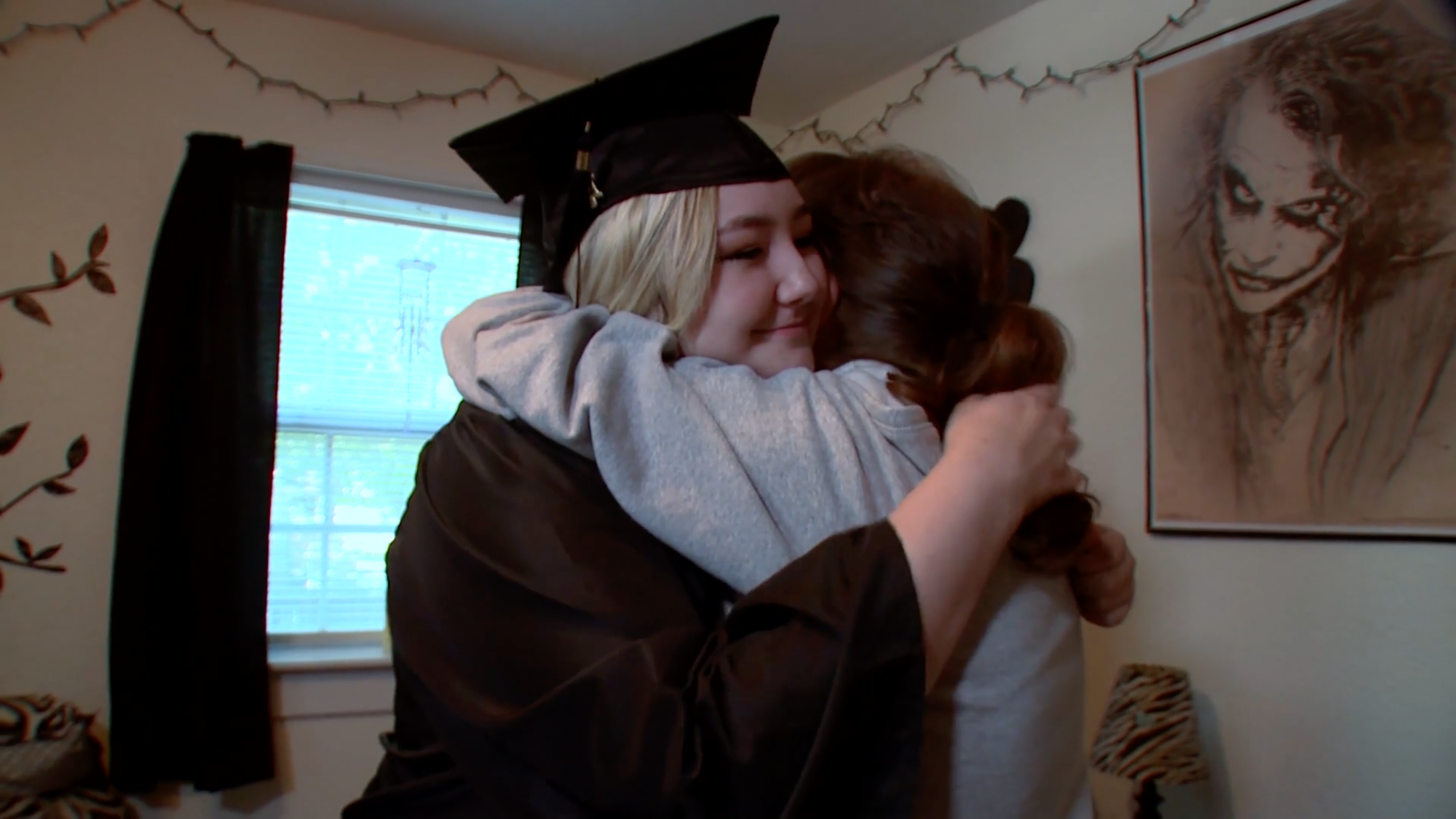
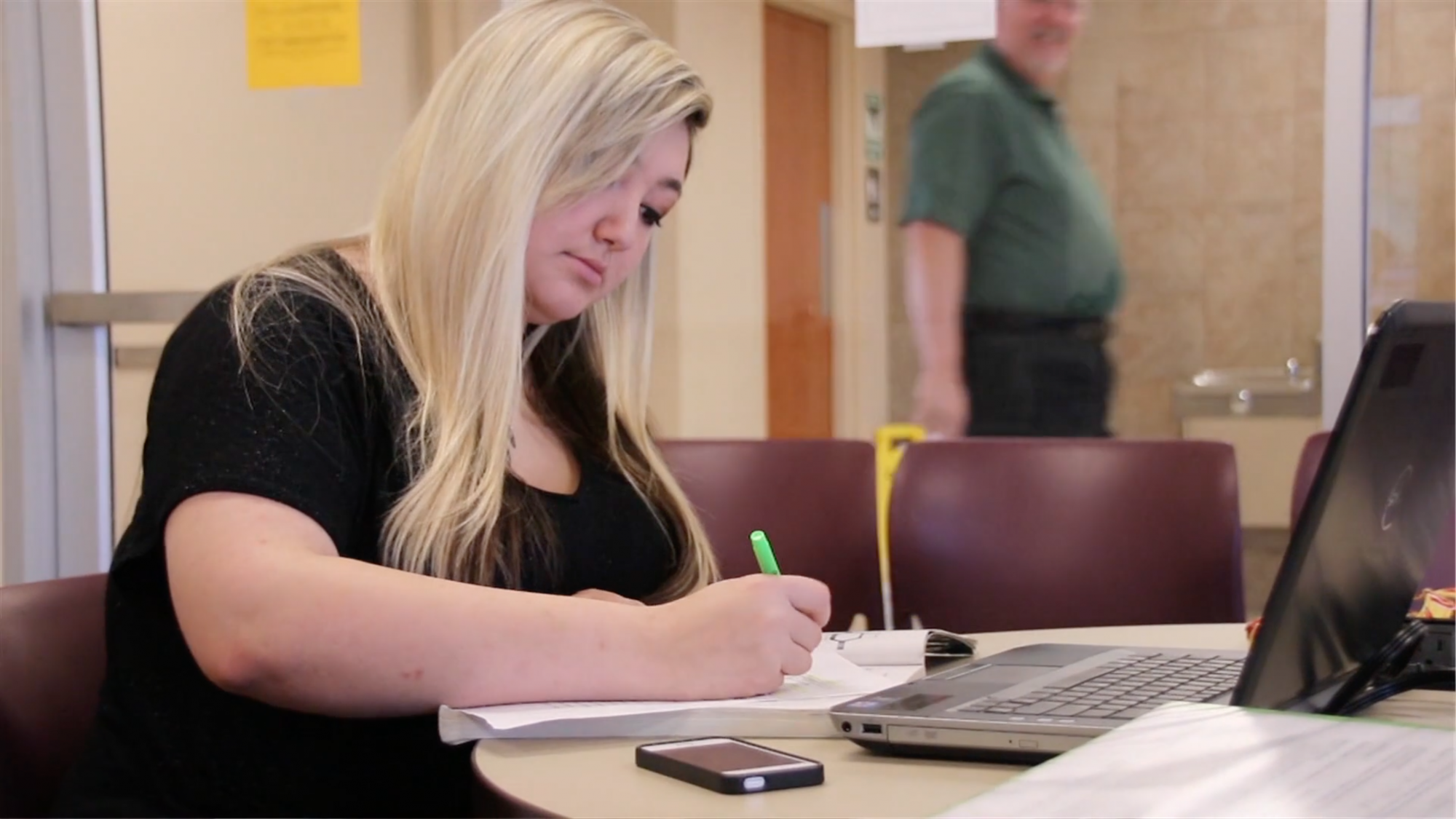
- The Tennessee Promise: In 2015, the governor of Tennessee announced a groundbreaking policy: The Tennessee Promise. Every high school senior in the state is now able to attend community college tuition free. We were there for one of the first graduating classes profiling a student who works two jobs and would not have been able to attend college otherwise.
- Valor Collegiate Academies: At these model charter middle schools, diversity, academics and social/emotional work (SEL) are all priorities, as well as the recruitment of a diverse teaching staff. Fifty-percent of its intentionally multi-ethnic student body are low income. In its first year, Valor became the top-rated school in Nashville.
- Mark Lipsey, Director of the Peabody Research Center, Vanderbilt University: Lipsey and his team conducted a controversial study that discovered surprising results: many children in Pre-K programs lose their advantage by the time they reach third grade. The reason? Pre-school support is not being maintained when they reach elementary school.

SPRINGFIELD, MO:
- Robberson Community Elementary School: Located in one of the highest poverty pockets in Springfield, this innovative community school takes a holistic approach to education providing students with services necessary for success that go beyond education including partnerships with medical, dental, and mental health facilities. In addition to year-round after school tutoring and enrichment programs, it also provides free breakfast, lunch and dinner as well as washer/dryers for families to use.
- Middle College: The local community college and superintendent of schools combined forces to pushback on high school drop-out rates. Middle College is an “on ramp” program for at-risk high school students at Ozark Technical Community College. High school juniors/seniors attend their own classes on campus and internships at local businesses in their major interest. All the students graduate. Eighty-five percent find employment and 60-70% go on to college.
RIVERSIDE, CA:
- Project Moving Forward: Project Moving Forward is a cutting-edge instructional program designed by a University of California, Riverside professor, Linda Ventriglia-Navarrette, that targets vocabulary, language and accelerated literacy development in Pre- Kindergarten to 3rd grade. Ninety-percent of English learners and low-income students had double digit API (Academic Performance Index) gains.
- Judo Club: Many children have little or no access to empowering after-school activities. The Riverside Police Department created a judo program for at-risk and children with special needs to bolster self-esteem and social skills. Detective Brian Money, along with 14 black belt instructors, provide judo instruction to some 150 kids.
COLUMBUS, OH:
- Weinland Park: Weinland Park does not refer to itself as a “model” for other communities but rather, an “example.” With nearly 20 non-profits working together, Weinland Park has been transformed into a mixed-income neighborhood with both remodeled Section-8 housing and market-level homes. The concept is to create one-community without disparity between neighbors. Those living in subsidized housing receive supportive services and programs that enable them cope with challenges.
- Scholar House provides well-maintained Section-8 housing for first-generation low-income adults with children, many of them single parents, who are currently enrolled in a State of Ohio accredited institution of higher learning and maintain a 2.5 GPA. This innovative idea is to use a housing platform for people to move forward in their lives. They take a two-generational approach. If parents do not better their lives then, their children will have similar issues.
- Alvis, Inc.: Alvis is a work force development program for men and women who have been incarcerated and recently released. Alvis is about breaking the cycle of family trauma. The entire family is impacted when a parent is in prison, especially the children. They are five times more likely to be expelled from school than other children, and also more likely to become involved in the criminal justice system. Alvis’ services also provide parenting classes and sponsor family activities.
- Star House: There are an estimated 2,000 youth, ages 14-24, who are living homeless in central Ohio. Star House is the only drop-in center for homeless youth in this community, serving 996 youth in 2017. Today, it is the only drop-in center in the country with ongoing academic research, producing promising and proven practices for meeting the needs of homeless youth. Star House provides food, clothing, a safe respite, as well as showers, mental health therapy, case management, on-site health care and connection to housing, employment, education, transportation, and other stabilizing resources.
MANCHESTER, NH:
- Families in Transition-New Horizons: Housing stability can be critical to children succeeding in school. Families in Transition-New Horizons provides housing for homeless families as well as “wrap around” services including social and case workers that help families deal with substance abuse, childcare, transportation, etc. Today, they have 20 properties with 200 housing units. Eighty-five percent of their clients are homeless and single mothers.
- The Circle Program & The Mayhew Program: These are 8-year commitments (Circle for girls and Mayhew for boys) to provide adult and peer support to at-risk youth through intensive summer camps followed by year-round mentoring and home visits.
SEATTLE, WA:
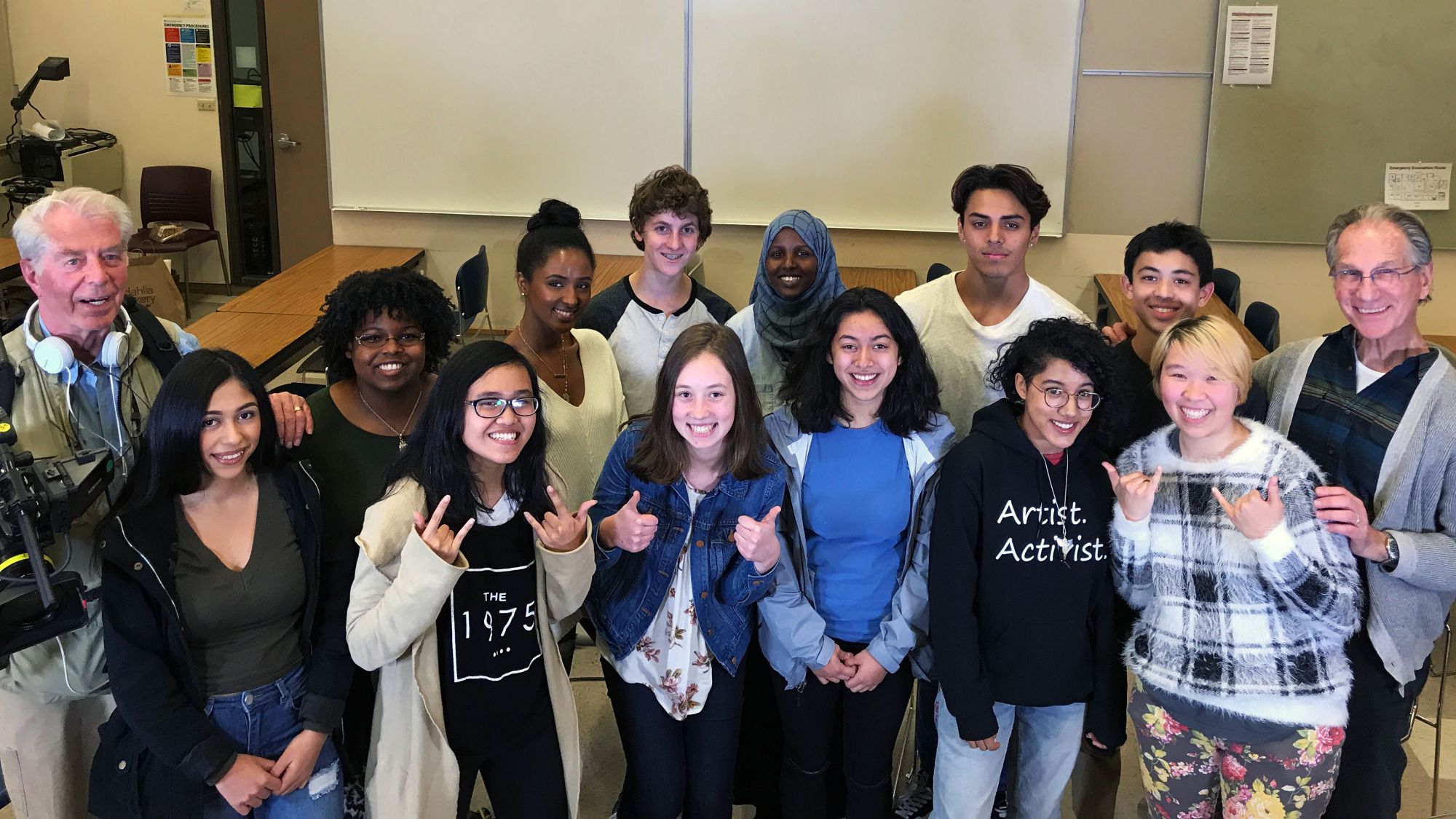
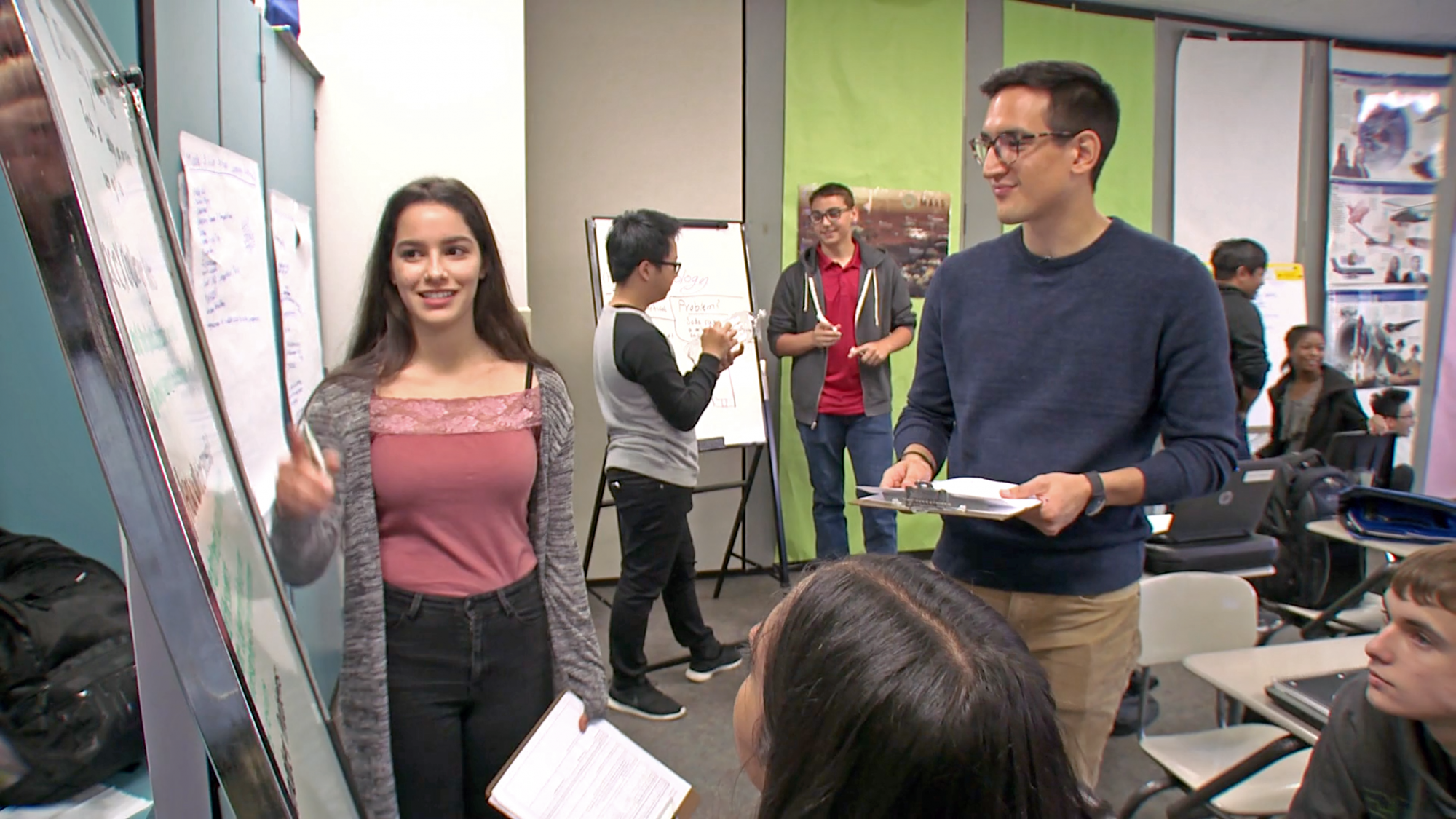
- Technology Access Foundation: TAF was created by a former computer programmer to give kids of color access to technology...not just to work in technology but to be creators of technology, to become entrepreneurs. Seventy-percent of the students are at the poverty level. The school, overseen by the public school district, has received distinctions for having a 95% graduating class college rate.
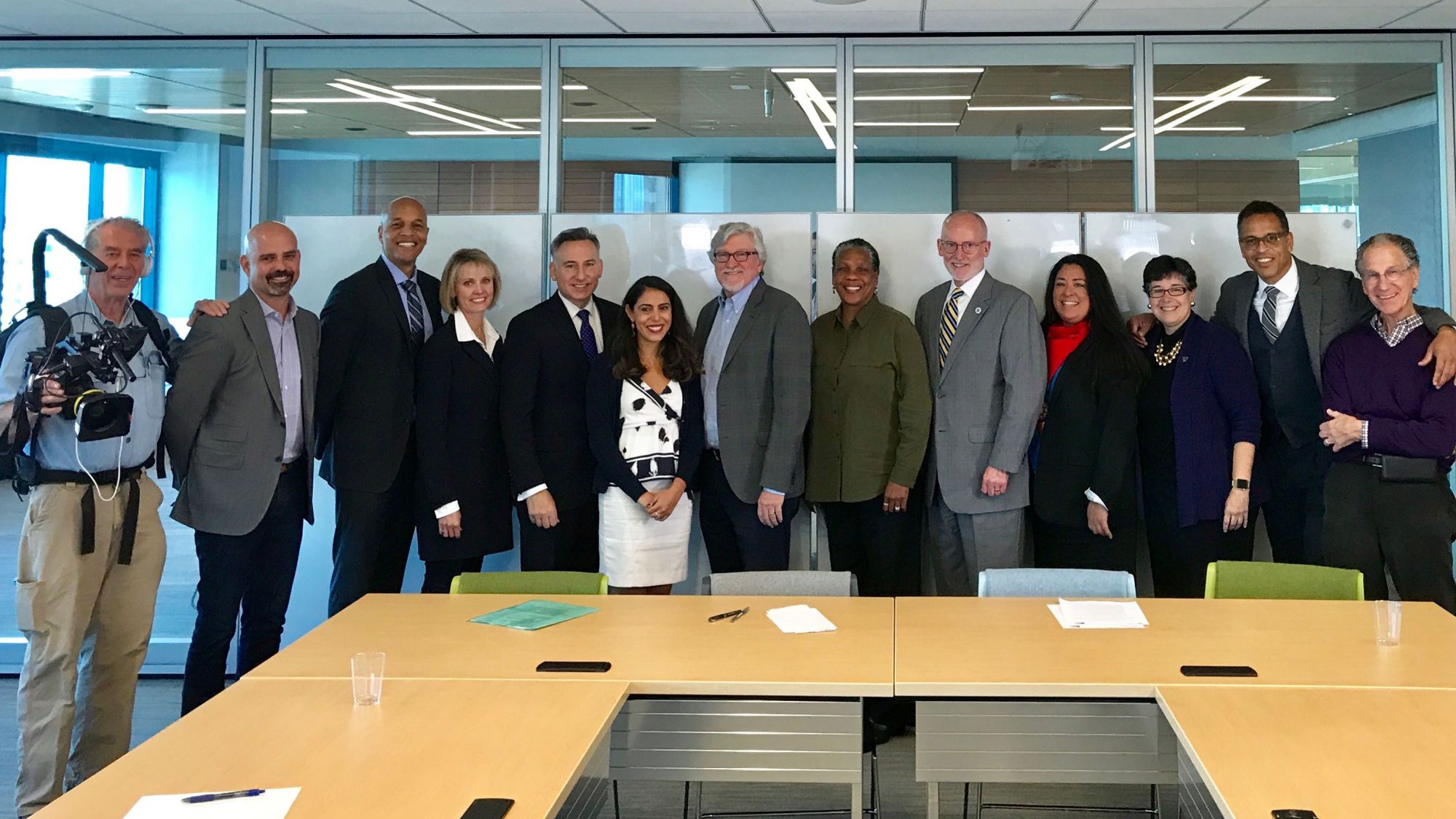
- Odessa Brown Children’s Clinic: Dr. Benjamin Danielson has been focusing on trying to get to the roots of illness before it begins: social determinants such as poverty, racism and being marginalized. Eighty-five of the patients are on Medicaid. Literacy is a major initiative. Every child leaves the clinic with a book. Families are taught healthier eating habits when they are guided in their food shopping at the local grocery store.
- Mockingbird Society: Our systems are failing the potential and future of young people who experience foster care or homelessness. The Mockingbird Society is working to change that. Using its youth-adult partnership model, Mockingbird develops young people who have experienced foster care or homelessness into leaders and advocates who develop and advance policy reforms. Mockingbird’s youth advocates passionately and safely share their experiences as they advocate for a brighter future on behalf of each and every foster and homeless youth in Washington. Mockingbird also created and is implementing MOCKINGBIRD FAMILY™ around the world. This empowerment-based approach to delivering foster care has been proven to be more effective at supporting foster parents and providing significantly more stability for youth than traditional systems.
DULUTH, MN:
- Opportunity Gap Public Awareness Campaign: In October 2017, the Duluth Superior Area Community Foundation launched a public awareness campaign and movement “Opportunity Rising: Our Promise to Our Kids” to generate conversation and begin facilitating change.
- Community-Based Equity Initiative: This is about the power of grass roots organizations. A group of determined parents (and teachers) formed the Community-Based Equity Initiative. The goal is to make the Duluth School District aware of the inequity in funding between the two high schools and to identify the areas of inequity based on need rather than student size. Thanks to their efforts, the school district is re-evaluating the budget.
- Community Action Duluth (CAD): Lack of transportation can be one of the biggest challenges for low-income families. Public transportation can take hours instead of minutes for each trip and that means parents cannot easily take children to doctor’s appointments or after-school activities. CAD started a program called DRIVE to donate cars to families in need. Our cameras were there when one lucky mom received a car.
DETROIT, MI:
- Interview with Dr. Nikolai Vitti, new Superintendent of Detroit Schools: Vitti was hired in the spring of 2017 and has begun bringing much-needed change to the Detroit school system. The District, thrown into chaos and bankruptcy by the growing charter school movement, had to bailed out of by the state. Dr. Vitti grew up in Detroit and was the first from his Greek immigrant family to attend college.
- Interview with Mark Rosenbaum, lawyer, Public Counsel law firm: In order to put Detroit in full context, we are including the current lawsuit filed by seven Detroit schoolchildren to establish literacy as a constitutional right. The suit, filed by Public Counsel, on behalf of the students is the first such lawsuit in the country.
- Roundtables discussions with students, parents and teachers: We put together a diverse group of students to share their thoughts on the education they are receiving and what needs to be changed. We also put together a separate group of parents and teachers to talk about their concerns, the pros and cons of charter vs. public schools, and how to narrow the opportunity gap.
- Grow Detroit Youth Talent: Detroit has the highest youth unemployment rate (30%) of any of the 25 largest metro areas. Grow Detroit’s Young Talent (GDYT) connects youth ages 14-24 with meaningful summer jobs to expose them to local job market and employers. Thanks to the public-private partnership between city government, corporations and foundations more than 8,000 youth are now served. It’s not the largest city youth employment program in the states, but it is rapidly growing, using best practices from key cities.
BOSTON, MA:
- Nurtury Learning Lab: In 2014, the Nurtury Learning Lab opened a state of the art early learning center located in the Mildred C. Hailey public housing. The focus is on early education, parent support and community engagement.
- Interview with Al Race, Deputy Director and Chief Knowledge Officer at the Center on the Developing Child at Harvard University: Race discusses the impact of toxic stress on children including their ability to learn, and the important role of families and community in buffering stress.
Follow us to stay up-to-date on Our Kids latest news and opportunities.