



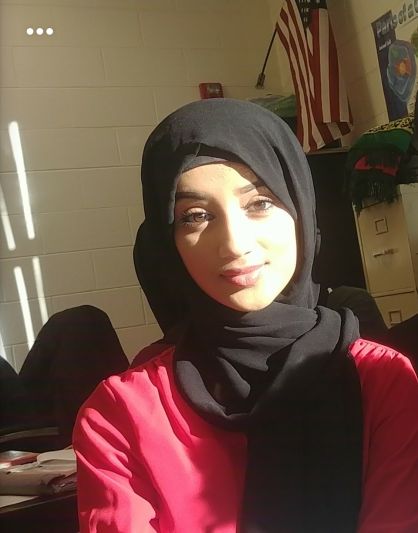
Laila Nasher
Laila Nasher is an Arab-American immigrant that's been the victim of many injustices, especially in the education department, and wants to speak out for minorities to prevent it from happening to others.
As a child, you learn to take responsibility for your mistakes. Whether this means owning up to spilling that glass of milk or for ripping your older sister’s favorite t-shirt, it’s one of the most valuable and necessary lessons everyone should receive, and one that should be taken to adulthood. Unfortunately, this isn’t always the case.
 From my experience of working with different school leaders, many are either unaware, or unwilling to admit how the decisions they’ve made have negatively impacted the students, parents, and teachers that rely on them in their schools. I’ve had many meetings with my school’s administration and district leadership, and so far, many of the conversations revolved around why the community’s complaints and criticisms are inadequate. Instead of being listened to, we are often berated about how ungrateful we are and urged to count our blessings for being able to go to school. This is very specific to my school, since the kids in Yemen (the home country for most of my peers at Universal Academy) don’t have this privilege.
I’m unconventional, at least by my neighborhood’s standards.
My tight knit Yemeni community stresses the benefit of staying silent. You can’t get in trouble, I’m constantly told, if you don't speak up. Sometimes I think this stems from our deep roots in a homeland that lacks trust in authority. That was another lesson I grew up with; if you don't expect much, you won't be disappointed.
As a child, these warnings were drilled into my head. I, like all of the other boys and girls I grew up with, was expected to subconsciously nod and follow these standards in fear of being a social pariah. I don't fault my community for believing what they do; it’s how they’ve survived in America for decades-- and it’s all they know. But because of this, not many have ventured out of the community, so there’s been a lack of American-Yemeni representation throughout the media. Because our issues and concerns aren’t often voiced, they aren’t ever really solved.
I, on the other hand, was never any good at conforming, and could see the long standing implications of my community’s way of living. I decided to throw caution to the wind and follow my passion of becoming a journalist, a career that directly goes against all of my community’s preachings.
A decade and three years ago, on a street corner I pass daily en route to school, stood a flush-faced pig-tailed girl, with her mouth wide open, holding a tambourine far too big for her hands . She was mid chant. I know this because I was that girl, and because my mom shows that moment captured by a disposable Family Dollar camera to anyone (and everyone) she can. It was crowded, where dozens of people brought together by a common goal shouted in different languages and dialects. In moments like this, claustrophobia is ignored, overridden by the urgency of our shared struggles. Strolling through this alternate educational dimension, reality finally sets in-- I’m visiting a school only 15 minutes away from my own. Immediately, I’m pulled back to the reality of my school. The dread of having to sit on broken desks, in a class not of my choosing. The inadequacy of my school’s “multipurpose” room; a small designated area serving as a crammed gymnasium, lunchroom, and auditorium. The storage closet library my school provides isn’t efficient enough for the 732 students it serves. 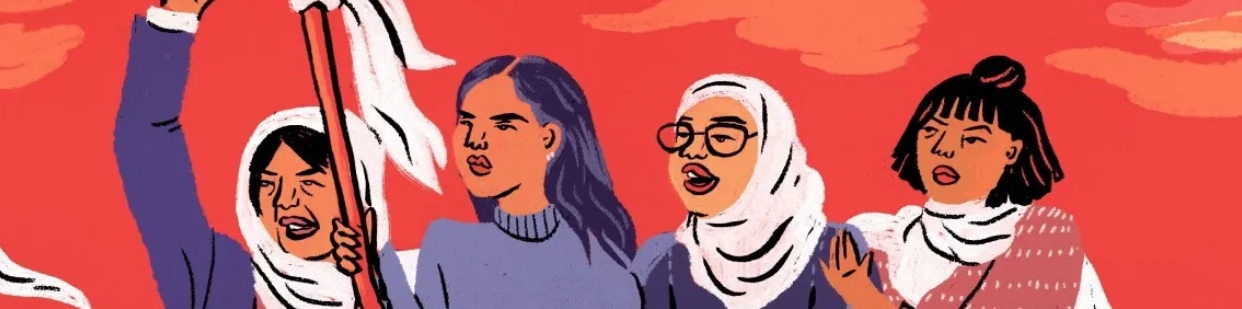
12/10/2019
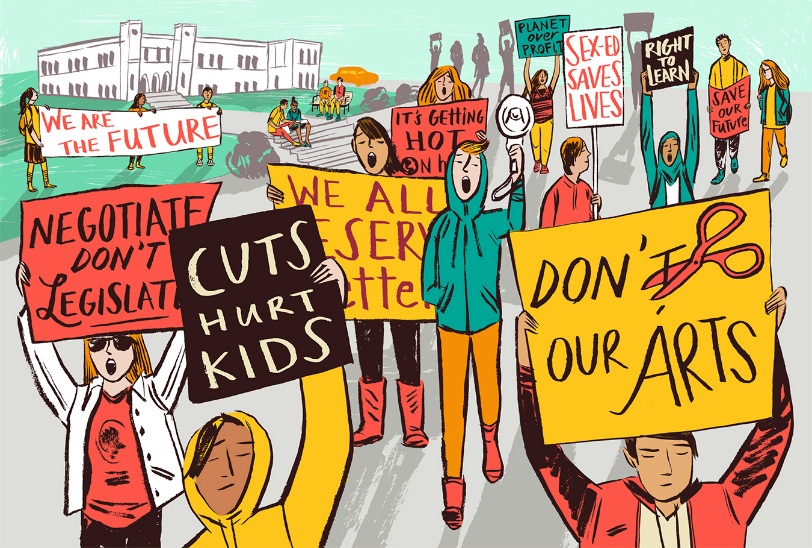 I don’t remember much from that day besides short flashbacks...little memories pieced together to create my first exposure to organizing. My older brother pulled me closer to his side, and away from a journalist’s onslaught of questions. My grandfather, or Gado as I refer to him, held up a sign, shouting in his perfectly broken English, words I’m still not sure he understood. As day transcends to night, and the news stations’ busses finally drive away, we continued to hold our ground. By this time, I had lost my voice from the hours-long chanting, and listening to my sister’s scratchy voice beside me asking my mom what time we were going home. I knew I wasn’t the only one. Then, I had thought we were participating in some sort of parade. I didn’t know the severity of my reality. What I did know was to keep shaking my tambourine, and to keep shouting “Save my school!” until my throat was raw. I did it smiling all the time.
04/18/2019
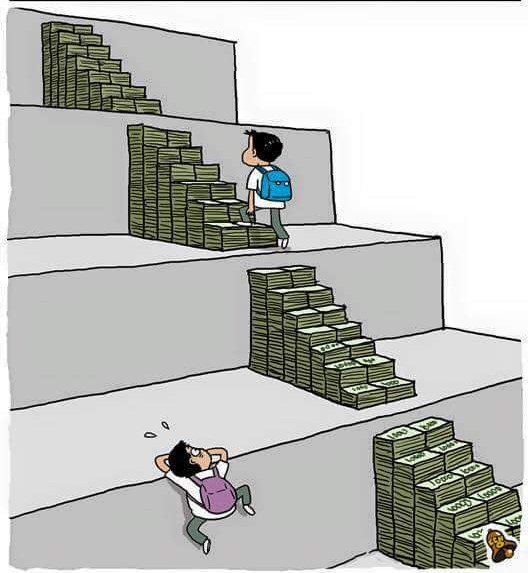 The crisp clean floor sparkles with each step my feet make. As I walk through the corridors I can’t help but stare in awe. To my right is a sleek and shiny cafeteria, with fixed round tables and an open space. Looking to my left, my eyes cross in amazement at the state of the art library, jam packed with novels and study areas. I peak out back, through the sturdy gymnasium doors, to find a football field sitting in a bed of emerald vegetation.